Why Static Resource Allotment Is Killing Your SEO Development

Securing SEO Automation Environments Versus 2026 Vulnerabilities
The 2026 digital environment has actually moved the way search engine optimization tools connect with web information. Automated systems that as soon as operated with very little oversight now deal with a barrage of sophisticated injection attacks and bot-detection algorithms designed to throttle high-frequency requests. As these tools grow more complex, the underlying infrastructure should offer more than simply raw speed. Reliability now hinges on the ability of a server to stay undiscovered while keeping the stability of the information it processes. High-performance virtual private servers have ended up being the requirement for real estate these applications, using a level of seclusion that shared environments can not match.
Security concerns in 2026 frequently center on the direct exposure of automation scripts to malicious third-party actors. Numerous SEO tools need consistent connectivity to external APIs and online search engine, developing prospective entry points for information breaches. To reduce these dangers, designers are moving toward hardened server setups that restrict inbound traffic to specific administrative IPs. This technique prevents unauthorized access to the automation core, making sure that exclusive crawling logic and delicate keyword data remain safeguarded from competitors or bad stars.
Technical Demands for High-Performance SEO Nodes
Running automated SEO jobs in 2026 requires a specific hardware profile to manage the resource-heavy nature of headless internet browsers and real-time data parsing. Traditional hosting frequently fails under the weight of several concurrent browser instances, which are required for accurately mimicking human habits on modern, JavaScript-heavy websites. A dedicated virtual environment supplies the required RAM and CPU cycles to avoid crashes that might result in data corruption or insufficient indexing reports. Without consistent efficiency, the timing of automated jobs can drift, causing missed opportunities or detection by search engine security filters.
Reliability in this context likewise means preserving a tidy track record for the server IP address. In 2026, search engines are more aggressive about blacklisting entire subnets associated with low-grade or destructive bot activity. Utilizing a dedicated virtual server enables the use of a distinct, fixed IP that is not shared with thousands of other websites. This seclusion is important for any data analysis project that needs stable, long-term access to browse results without the consistent threat of CAPTCHAs or short-term blocks.
Increasing reliance on digital services has actually forced many to reevaluate how they partition their virtual device resources to avoid traffic jams during peak crawling hours. By allocating particular cores to data extraction and others to database management, systems can process millions of information points without latency. This technical precision makes sure that the automation remains responsive, even when the target websites execute intricate protective scripts or heavy media loads.
Executing Multi-Layered Defense in local tech hubs
Local organizations and agencies within the surrounding region are increasingly adopting zero-trust architectures for their marketing stacks. In 2026, assuming that internal traffic is safe is an error that causes disastrous leaks. Every demand made by an SEO tool, whether it is an outbound crawl or an incoming API call, must be verified and secured. Virtual servers particularly tuned for these jobs frequently consist of hardware-level encryption to protect data at rest, which is a requirement for any company dealing with client info in the current market.
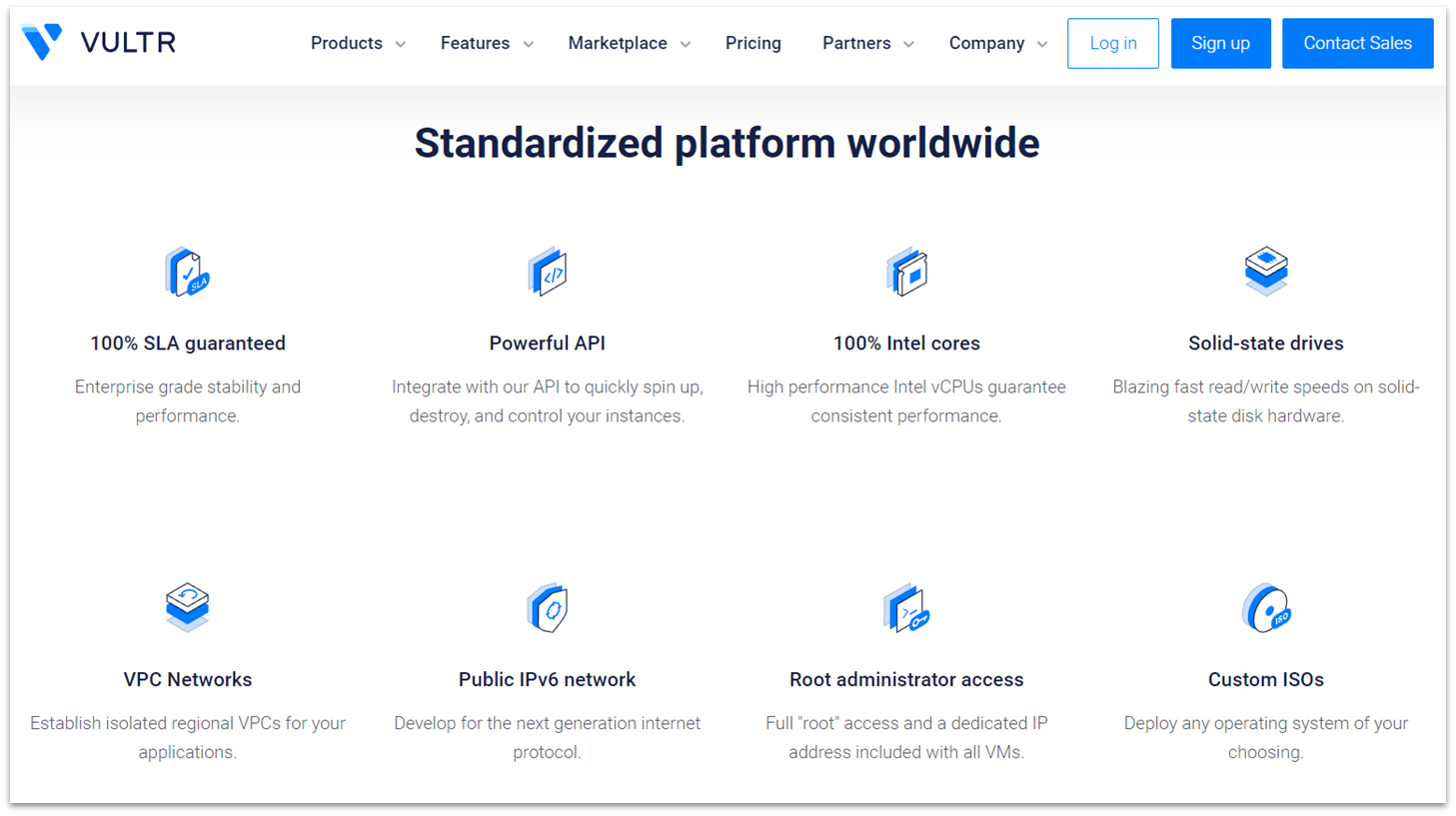
The hazard of "ghost" bots-- harmful scripts that hijack genuine automation tools-- is a primary concern this year. These scripts try to use the track record of a relied on SEO server to introduce attacks on other websites. Avoiding this needs a strenuous firewall software configuration and real-time tracking of outgoing traffic patterns. If an automation tool unexpectedly begins sending requests to unfamiliar domains, the server ought to be able to eliminate the procedure automatically. This level of control is only possible when the user has complete root access to the operating system, a function that differentiates devoted virtual environments from basic SaaS platforms.
Preserving uptime is another critical element for dependability in 2026. Online search engine algorithms upgrade frequently, and missing even a couple of hours of data can skew a monthly efficiency report. Servers situated in major connectivity centers frequently gain from redundant power and high-speed fiber backbones, reducing the danger of downtime. For agencies handling multiple accounts, the cost of a server failure far outweighs the financial investment in a high-grade virtual device.
Enhancing Outbound Traffic for Online Search Engine Compliance
The method an automation tool emerges to a web server identifies its success rate. In 2026, fingerprinting technology has advanced to the point where even subtle discrepancies in header info can set off a block. High-performance SEO servers permit the deep customization of the network stack, enabling specialists to turn user agents and handle cookies with surgical accuracy. This ability is essential for replicating various gadget types and areas, providing a more precise view of how search results appear to various demographics.
Standardizing on digital services permits for tighter control over outgoing traffic and API handshake file encryption, which lessens the footprint left by automated scripts. When the server environment is optimized, the overhead of these security measures is negligible. This permits the SEO tools to run at maximum efficiency, pulling data from thousands of pages in minutes without jeopardizing the security of the host maker or the target site.
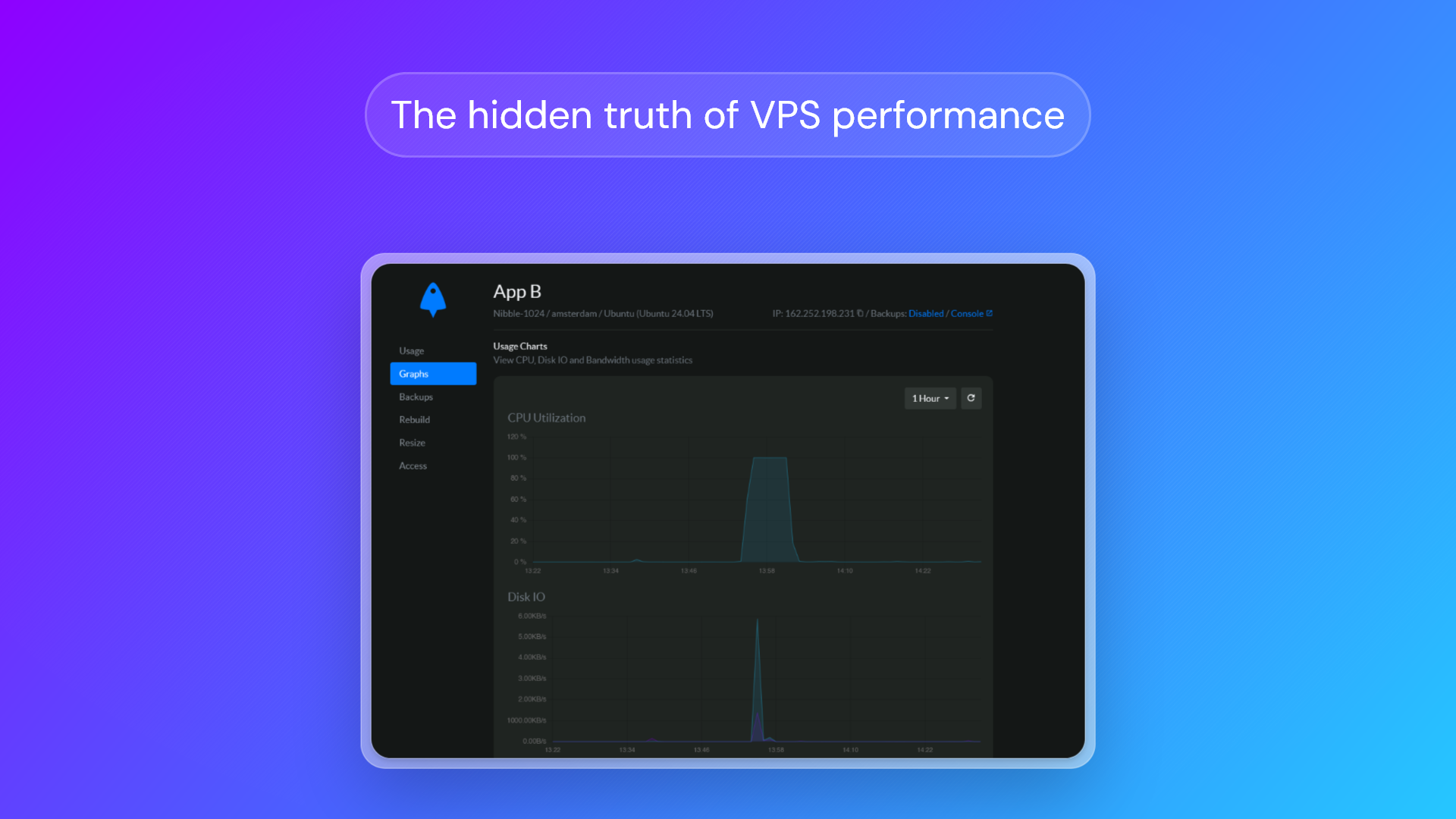
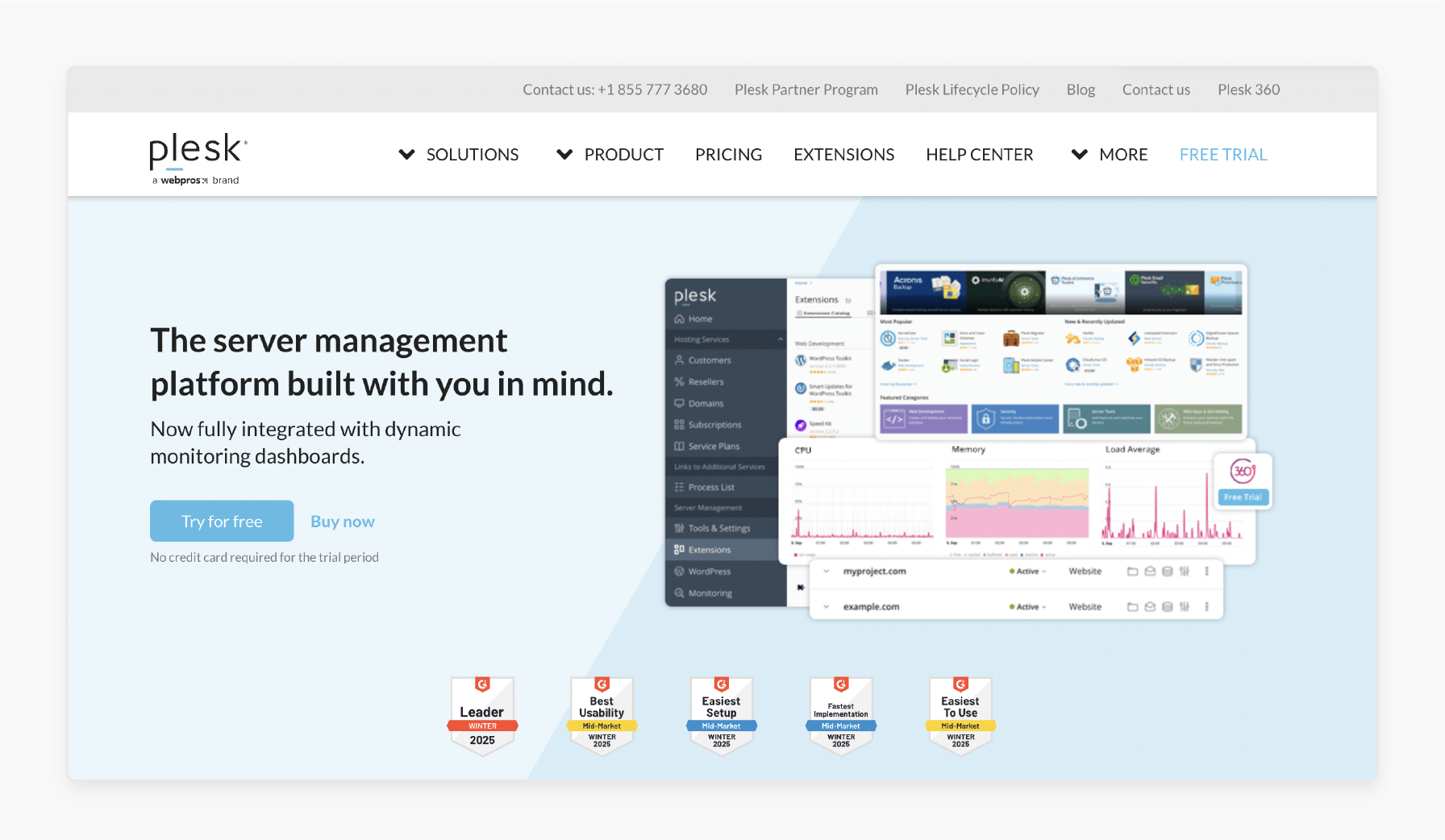
Performance tracking tools integrated into the server environment supply 2026 experts with the ability to track resource use in real-time. If a particular crawl is consuming excessive memory, it can be throttled or rescheduled to prevent impacting other critical jobs. This granular level of management guarantees that the marketing stack stays stable under heavy loads. It also permits more precise budgeting of computing expenses, as resources can be scaled up or down based upon the needs of the present campaign.
Making Sure Long-Term Stability in your market
Looking toward the end of 2026, the pattern in SEO automation is plainly approaching more self-governing, AI-driven systems. These systems need a lot more calculating power and higher levels of security than their predecessors. Preparing for this shift indicates buying server infrastructure that can be quickly updated without moving data or altering IP addresses. A flexible virtual server environment permits these adjustments, supplying a future-proof foundation for any digital technique.
Safeguarding the stability of SEO information is not simply about stopping hackers; it has to do with ensuring that the information used for decision-making is precise. If a server is compromised or throttled, the data it gathers may be incomplete or prejudiced. By focusing on technical performance and reliability, organizations can preserve a competitive edge. The focus stays on developing a stable, safe and secure, and fast environment where automation can flourish without the danger of external interference.
The development of cyber dangers in 2026 has actually made the option of hosting more crucial than ever. While many basic SEO tasks can still be performed on basic hardware, high-stakes campaigns need the power and security of a dedicated virtual maker. By focusing on resource isolation, network integrity, and proactive tracking, businesses can guarantee their automation tools continue to provide worth in an increasingly hostile digital environment. The dedication to high-performance infrastructure is the very best defense against the unpredictabilities of the coming years.