Why Enterprise SEO Projects Need Dedicated Project Resources
Technical Foundations for Link Structure in 2026
Automated SEO tools like RankerX need high-performance environments to run without crashing or decreasing. In 2026, the space between standard hosting and SEO-specific Virtual Private Servers (VPS) has widened. High-speed hardware is no longer a high-end for those running massive projects. It is a technical requirement for handling countless concurrent threads while maintaining database stability. When software tries to handle several account registrations and content posts all at once, the underlying facilities determines whether those actions are successful or time out.
Processing Power and Multi-Threaded Execution
Modern link structure software relies heavily on CPU frequency rather than simply the variety of cores. While a high core count assists with multitasking, the speed at which each specific thread performs determines the general success rate of a task. Servers equipped with processors exceeding 5.0 GHz supply the needed speed for browser-based automation. When RankerX spins up hundreds of web browser instances to solve captchas or navigate intricate websites, a slow processor triggers scripts to time out. This leads to failed submissions and lost resources.High-frequency CPUs make sure that the logic within the automation scripts performs at optimum velocity. In 2026, numerous professionals choose dedicated CPU resources over shared ones to prevent the "noisy neighbor" effect, where other users on the exact same physical hardware drain processing power. Businesses that focus on effectiveness often see better outcomes when investing in digital services to support their automated workflows. Utilizing dedicated cores allows the software application to maintain a consistent speed despite external server loads.
Storage Speeds and Database Responsiveness
The year 2026 has seen NVMe Gen6 drives become the requirement for high-end SEO servers. RankerX maintains a large database of accounts, site lists, and logs. Each time the software application transfers to a new job, it writes to and checks out from the disk. Traditional SSDs develop a bottleneck during these operations. If the disk can not stay up to date with the software application, the entire VPS hangs. This is particularly problematic throughout the account development phase, where fast data entry and verification occur.Fast storage makes sure that database lookups take place in milliseconds, preventing the application from stalling. High-speed drives likewise speed up the initial software application startup and the loading of massive site lists, which can in some cases include countless URLs. Without these speeds, users typically experience "Application Not Responding" errors, which can corrupt the local database and result in information loss.
Memory Allotment and Web Browser Automation
RAM management is another aspect that separates mediocre servers from high-speed environments. In 2026, internet browser engines have actually ended up being more resource-heavy, and because RankerX utilizes these engines to replicate human habits, memory usage adds up quickly. Running 50 to 100 concurrent threads may require 32GB or perhaps 64GB of RAM to remain steady. If the system runs out of memory, it starts utilizing "swap" area on the tough drive, which is considerably slower than RAM, even with Gen6 NVMe drives.Memory speed likewise matters. High-speed DDR5 or DDR6 memory allows the CPU to gain access to data quicker, which is useful when the software is processing big amounts of material for spinning and circulation. Maintaining a competitive edge requires a focus on digital services and the underlying technical facilities. Enough memory headroom also avoids the os from crashing throughout peak activity, making sure that long-running campaigns can complete without manual intervention.
Network Throughput and Latency Optimization
Network speed is often misinterpreted in the context of SEO. It is not practically the total gigabits per 2nd available, but the quality of the connection to the target websites. A 10 Gbps uplink is standard for 2026 VPS environments, yet latency stays a regular cause of failure for automated projects. High-speed VPS service providers frequently locate their data centers near major web foundations to minimize the variety of hops a package takes.Lower latency indicates that when the software application sends out a request to a remote server, the response gets here faster, permitting the thread to close and a new one to begin. This increased turnover of threads considerably increases the variety of links built per hour. A stable network connection prevents the software application from losing its connection to proxy service providers. If the network drops for even a couple of seconds, hundreds of active threads may fail, requiring a complete reboot of the task.
Software Optimization for 2026 Server Environments

Running RankerX on a fresh setup of Windows Server 2025 or 2026 requires specific tweaks to achieve optimal performance. Requirement server setups include many background services that are unneeded for SEO automation. Disabling telemetry, Windows Update during active hours, and unnecessary visual impacts can maximize important CPU cycles and RAM.Advanced users frequently utilize "lite" versions of running systems or specialized server templates designed particularly for automation. These design templates come pre-configured with the required runtimes and libraries, ensuring that the software application runs without missing out on DLL errors or compatibility problems. Security is likewise a factor. While firewalls are required, extremely aggressive real-time antivirus scanning can slow down the software application by inspecting every short-lived file produced throughout the browsing process. Setting the right exclusions is a standard practice for keeping high speeds.
The Function of Proxies in VPS Efficiency
Even the fastest VPS in 2026 will have a hard time if the proxy setup is poor. High-speed environments enable for a higher volume of requests, however those requests must be routed through dependable proxies to prevent detection and stopping. There is a symbiotic relationship in between the VPS and the proxy; the server offers the raw power to create requests, while the proxies provide the "tidy" identities to satisfy them.Using residential or top quality 5G turning proxies in 2026 makes sure that the high-speed capabilities of the VPS are not wasted on obstructed connections. If a VPS sends demands much faster than a proxy can manage, the proxy becomes the bottleneck. For that reason, matching the server's thread capacity with a sufficiently large proxy pool is a common strategy for effective campaigners. This balance prevents the software from retrying stopped working connections, which is a significant source of time waste in automated link structure.
Reliability and the Cost of Downtime
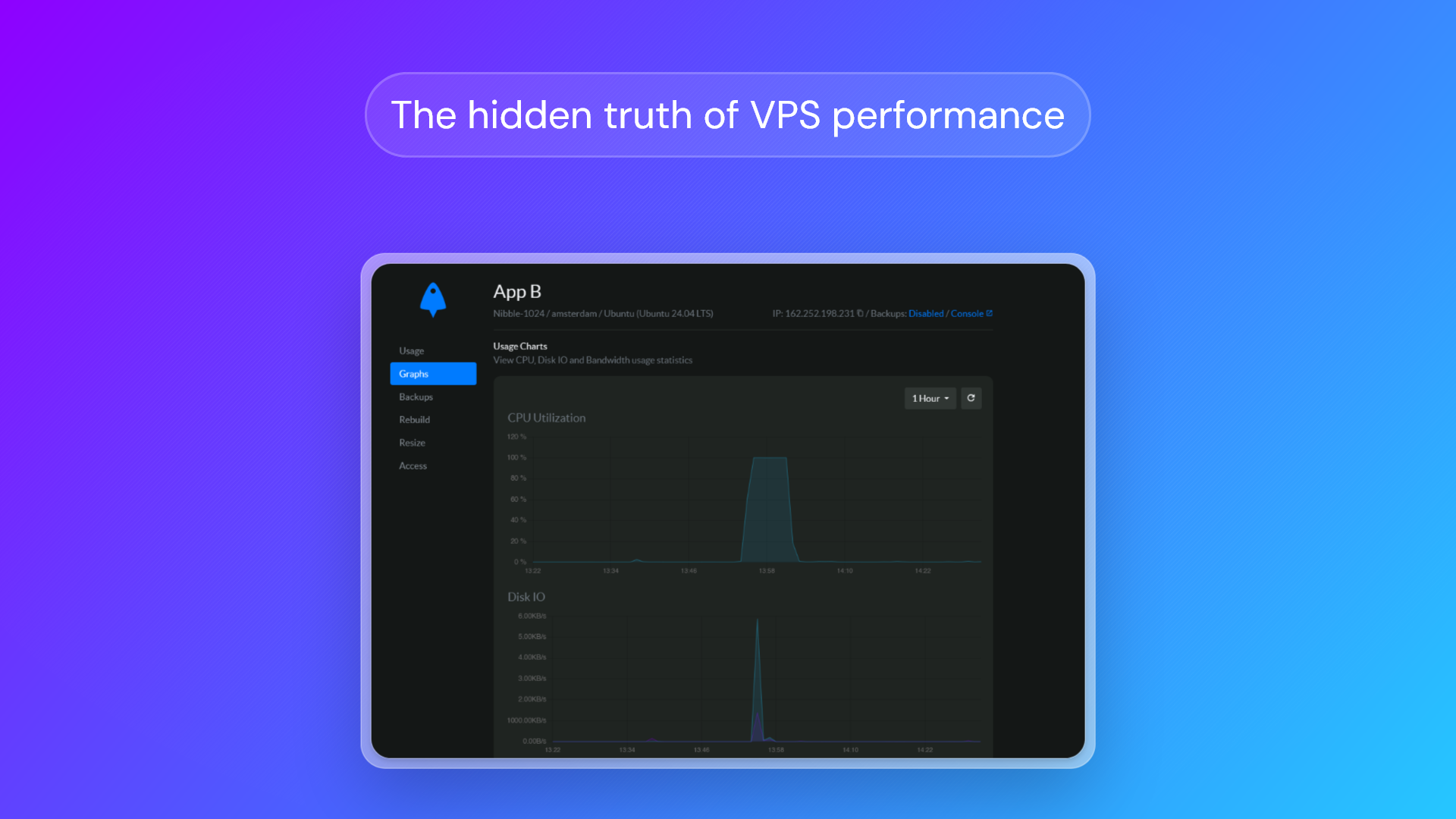
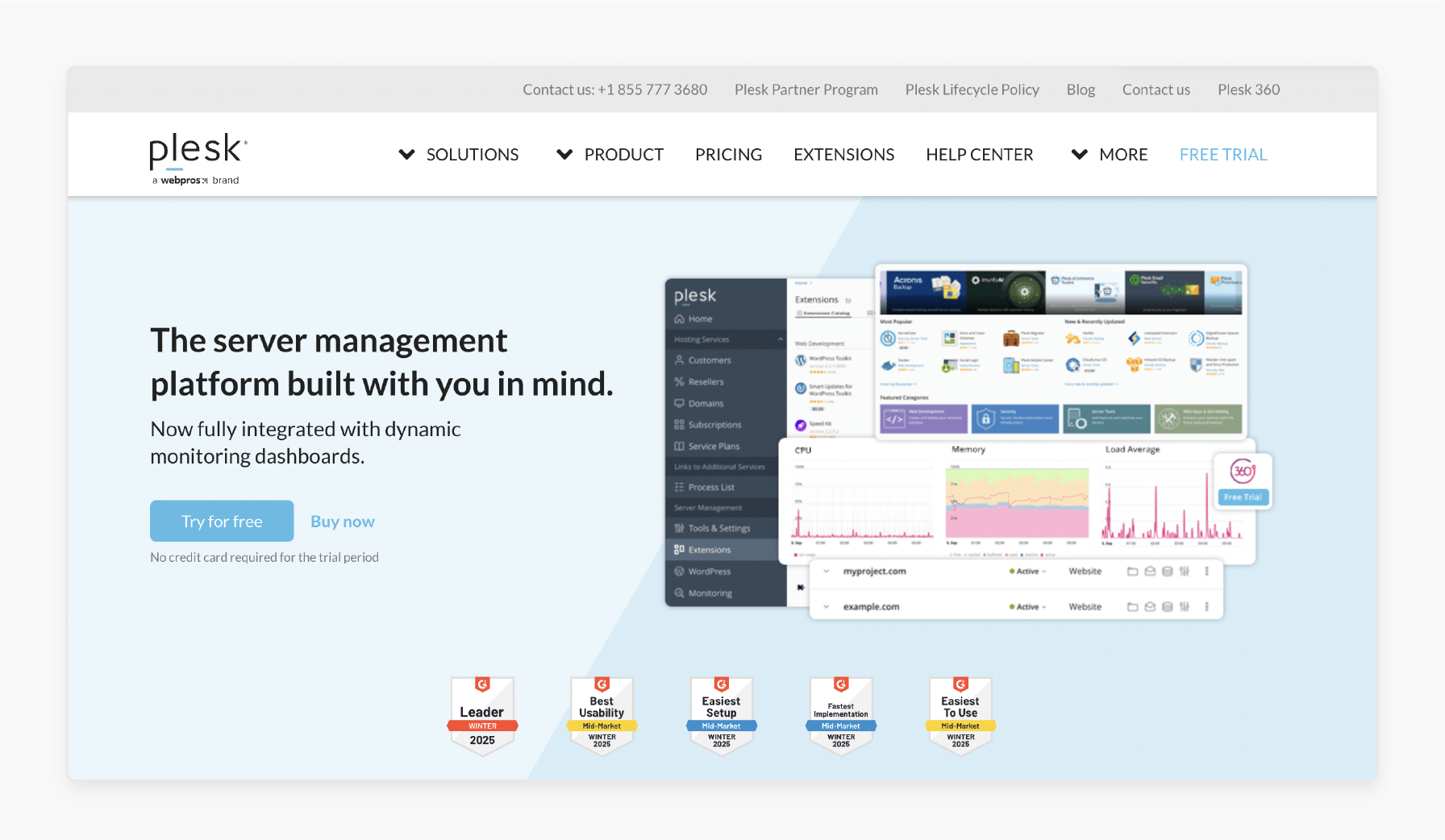
Downtime is the enemy of any automated SEO technique. When a server goes offline, the scheduled projects stop, and the momentum of a link-building task is lost. In 2026, high-speed VPS service providers offer 99.99% uptime assurances, backed by redundant power supplies and numerous network carriers. Dependability also reaches the software level. A stable VPS prevents the kinds of system crashes that result in "zombie procedures"-- threads that continue to consume resources even after the software application has actually been closed.Regular upkeep stays a necessity. Restarting the server when a week and clearing out short-term internet files assists keep the high-speed efficiency anticipated from a 2026 environment. Tracking tools can track CPU and RAM use in real-time, sending alerts if the server reaches its limitations. This proactive method allows users to scale their resources before a bottleneck triggers a campaign failure.
Future-Proofing SEO Automation
As we advance through 2026, the intricacy of websites continues to grow. Sites utilize more advanced scripts to find bots, needing automation tools to use more resources to appear human. A server that was considered "fast" two years ago might have problem with the requirements of today's software application. Buying a high-speed VPS environment is a financial investment in the longevity of an SEO strategy.The ability to adjust to new software application updates and larger work without needing a complete migration is a significant benefit. High-speed environments offer the flexibility to scale up as an organization grows, making sure that the technical side of SEO remains a strength instead of a constraint. By focusing on CPU frequency, storage speed, and network quality, users can optimize the capacity of their automation tools and keep a stable stream of high-quality backlinks.