Why Automated Workflows Demand Low-Latency Network Backbones

Core Kernel Improvements for High-Thread Concurrency

Running heavy crawling applications in 2026 requires more than simply raw power. Windows Server 2026 presents a refined kernel scheduler developed for high-concurrency workloads. Unlike older versions, this variation handles CPU cycles for countless synchronised threads without the overhead that previously afflicted virtual environments. When an SEO application starts countless HTTP requests, the OS should deal with fast context changing. The 2026 scheduler reduces the time the processor invests choosing which thread to run, which straight equates to faster data collection.System administrators ought to look at the "Processor Scheduling" settings within the Advanced System Properties. Setting the server to prioritize "Background services" instead of "Programs" ensures that the multi-threaded procedures used by spiders get constant CPU time. This is specifically beneficial for headless browsers and scraping scripts that do not have a visible user interface but take in significant resources. Success with digital services is frequently tied to these low-level configuration choices that prevent the system from stuttering under heavy load.
Memory Allowance and Data Compression in 2026
RAM allocation identifies the number of concurrent demands a server can keep before it starts switching information to the disk. In the 2026 variation of Windows Server, the memory management engine includes an upgraded compression feature. This feature determines repeated information structures typical in large-scale web scraping and compresses them in the physical RAM. For a server running in a regional data center, this means the machine can hold more information in memory, minimizing the reliance on slower storage drives.Hard-limiting the page file size is another strategy used by performance experts. While Windows likes to handle the page file immediately, SEO applications typically take advantage of a fixed-size page file on a dedicated NVMe partition. This prevents the OS from resizing the file during a huge information export, which can trigger momentary freezes. professional digital marketing services requires constant hardware efficiency to make sure that scheduled jobs execute without disruption. Monitoring tools in 2026 program that servers with fixed memory overhead preserve 15% better uptime throughout peak scraping cycles.
Optimizing the 2026 Network Stack for Scraping
The TCP/IP stack in Windows Server 2026 is developed for the high-frequency demand environment of the contemporary web. To get the most out of a connection, it is essential to change the pc registry settings related to ephemeral ports. By default, Windows limits the variety of outgoing connections, which can result in "socket fatigue" when a multi-threaded SEO tool tries to contact thousands of domains per minute. Increasing the MaxUserPort worth allows the application to open more synchronised connections, preventing the "Connection Declined" errors that often mess up a crawl.Another important adjustment involves the TCP Timed Wait Delay. After a connection closes, Windows keeps the socket in a wait state for a short duration. In a high-volume SEO environment, this can tie up thousands of ports unnecessarily. Lowering this delay ensures that ports are recycled rapidly. These network tweaks are essential when handling a VPS in the local region where bandwidth is plentiful however system resources must be utilized effectively.
Storage Throughput and Database Management
SEO applications produce huge amounts of log data and short-lived files. Windows Server 2026 supports sophisticated NVMe-over-Fabrics (NVMe-oF) which allows virtual devices to access high-speed storage with practically no latency. For tools that use local databases like SQLite or PostgreSQL to save crawled URLs, disk I/O is typically the traffic jam. Moving these databases to a ReFS (Resistant File System) formatted drive can enhance write speeds compared to the older NTFS standard.ReFS in 2026 manages big files and metadata modifications much quicker, which works when an SEO tool is appending countless rows to a CSV or database file. Disabling "Last Access Time" updates on the file system also conserves a small amount of disk activity for each file read. While these gains appear little individually, they include up throughout countless file operations during a weekend-long website audit.
Hyper-V Seclusion and Resource Guarding
Virtualization in 2026 has moved towards a design of rigorous resource safeguarding. If an SEO application is running in a virtual machine (VM), it is vital to ensure that the host does not over-provision the CPU. In the Hyper-V Manager, administrators can set a "Virtual maker reserve" to 100%. This makes sure that even if other VMs on the exact same physical host become active, the SEO server keeps its full processing power.Hardware-accelerated nested virtualization is another 2026 feature that aids with containerized SEO tools. Running Docker on Windows Server permits for better seclusion of different scraping jobs. For circumstances, one container can handle proxy management while another focuses on DOM parsing. This modularity prevents a single crashed process from taking down the whole server, keeping the information flow constant throughout the day.
Security Setup Without Performance Loss
Security is a need, however standard anti-viruses scanning can kill the performance of a multi-threaded application. Windows Protector in 2026 enables for granular exemptions. It is a basic practice to omit the folders where SEO tools are set up and the directory sites where they compose their temporary data. If the antivirus scans every single HTTP action or momentary file, the CPU usage will remain at 100% even when the application is idle.Firewall guidelines need to likewise be examined. Instead of using generic stateful evaluation for every package, administrators can develop specific rules for the SEO software application's executable. This decreases the processing overhead on the Windows Filtering Platform. In a 2026 environment, every split second conserved in the package inspection procedure results in more pages crawled per hour.
Remote Desktop and Management Performance
Managing a server in the surrounding area generally involves Remote Desktop Protocol (RDP) In 2026, RDP uses an enhanced version of the UDP-based transport procedure. While this makes the user interface feel more responsive, it can take in bandwidth that the SEO application requires. Turning off wallpaper, menu animations, and typeface smoothing in the RDP settings can decrease the management overhead.For those who choose command-line management, PowerShell 7.x is deeply integrated into Windows Server 2026. Lots of multi-threaded jobs can be started and kept track of by means of the CLI, which uses far less RAM than a complete GUI session. Utilizing the "Server Core" installation of Windows Server 2026 is typically the best option for dedicated SEO machines, as it eliminates the visual interface completely, leaving more resources readily available for the actual work of data processing.
Keeping Long-Term Stability
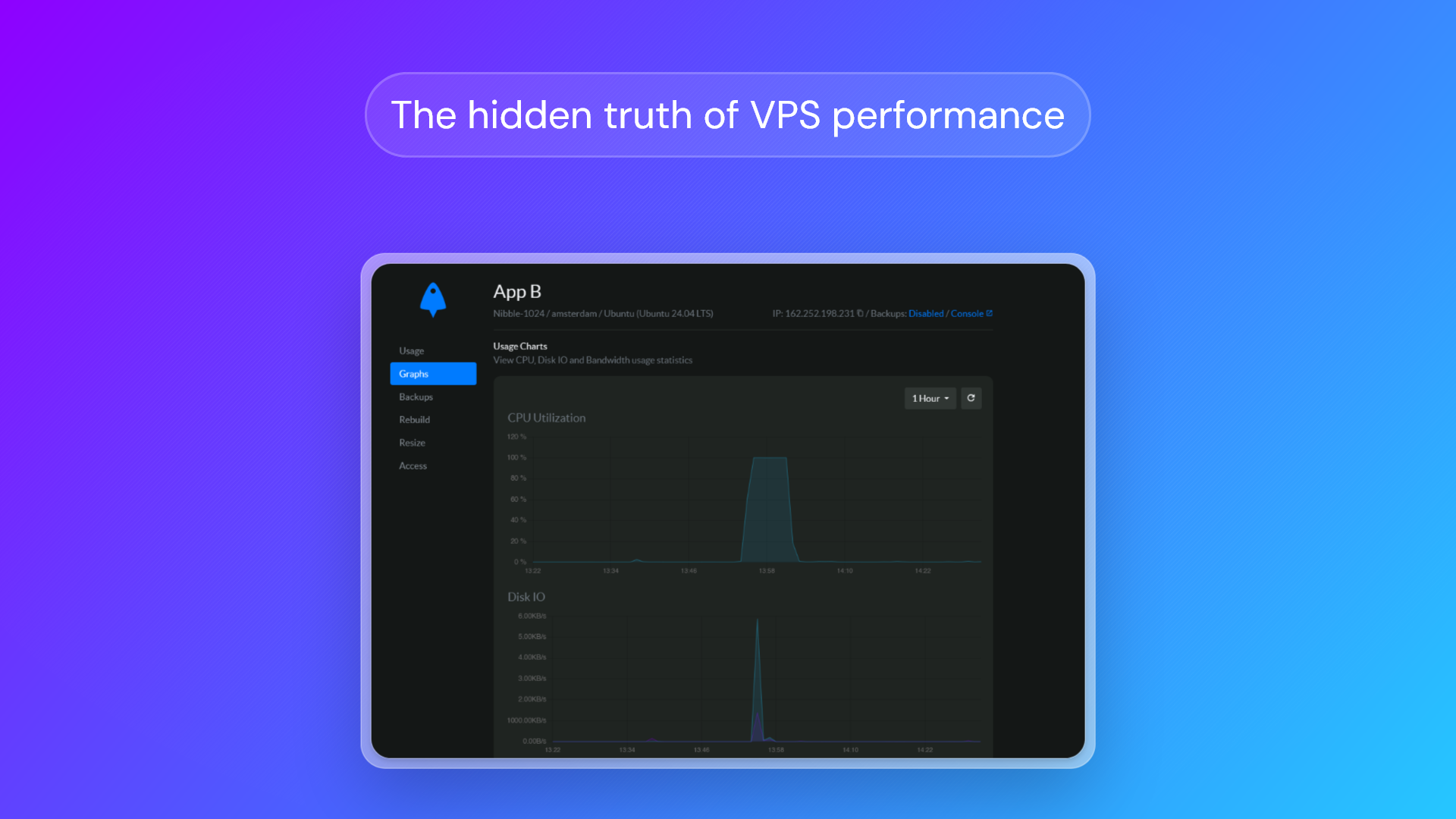
Stability in 2026 is reached through scheduled upkeep and monitoring. SEO applications typically have memory leakages or leave big amounts of "zombie" procedures. An easy PowerShell script can be set to run every 24 hours to clear out temp files and reboot the application services. This makes sure that the server does not decrease over weeks of constant operation.Using the integrated Efficiency Display (PerfMon) allows administrators to track "Thread Count" and "Private Bytes" in time. If the thread count increases however the pages-per-second crawl rate drops, it indicates a bottleneck in the software or the network. By watching these metrics in Windows Server 2026, users can discover the "sweet spot" for their specific hardware setup, ensuring that they get the optimum return on their server investment without running the risk of a system crash.