Strategic Resource Implementation for Global Link Structure Campaigns

Protecting SEO Automation Environments Versus 2026 Vulnerabilities
The 2026 digital environment has actually shifted the method seo tools communicate with web information. Automated systems that as soon as operated with very little oversight now deal with a barrage of sophisticated injection attacks and bot-detection algorithms developed to throttle high-frequency demands. As these tools grow more complex, the underlying infrastructure must provide more than just raw speed. Dependability now depends upon the capability of a server to stay undiscovered while preserving the stability of the data it processes. High-performance virtual personal servers have ended up being the requirement for housing these applications, offering a level of seclusion that shared environments can not match.
Security issues in 2026 often center on the direct exposure of automation scripts to harmful third-party actors. Lots of SEO tools need constant connectivity to external APIs and search engines, developing potential entry points for data breaches. To mitigate these risks, designers are moving toward solidified server configurations that restrict inbound traffic to specific administrative IPs. This approach avoids unauthorized access to the automation core, guaranteeing that proprietary crawling logic and sensitive keyword data remain secured from rivals or bad actors.
Technical Demands for High-Performance SEO Nodes
Running automated SEO jobs in 2026 needs a particular hardware profile to handle the resource-heavy nature of headless web browsers and real-time data parsing. Traditional hosting typically fails under the weight of multiple concurrent internet browser instances, which are required for accurately mimicking human behavior on modern, JavaScript-heavy sites. A dedicated virtual environment supplies the essential RAM and CPU cycles to avoid crashes that could result in data corruption or insufficient indexing reports. Without constant efficiency, the timing of automated tasks can drift, causing missed out on chances or detection by search engine security filters.
Reliability in this context also implies maintaining a tidy track record for the server IP address. In 2026, search engines are more aggressive about blacklisting whole subnets connected with low-grade or malicious bot activity. Utilizing a dedicated virtual server enables for making use of an unique, fixed IP that is not shared with thousands of other sites. This seclusion is crucial for any data analysis project that needs steady, long-lasting access to search engine result without the consistent danger of CAPTCHAs or momentary blocks.
Increasing reliance on digital services has required numerous to reconsider how they partition their virtual device resources to avoid bottlenecks during peak crawling hours. By allocating particular cores to information extraction and others to database management, systems can process millions of data points without latency. This technical precision ensures that the automation remains responsive, even when the target websites carry out complicated protective scripts or heavy media loads.
Executing Multi-Layered Defense in local tech hubs
Regional businesses and firms within the surrounding region are significantly adopting zero-trust architectures for their marketing stacks. In 2026, presuming that internal traffic is safe is a mistake that leads to disastrous leaks. Every request made by an SEO tool, whether it is an outbound crawl or an inbound API call, need to be confirmed and secured. Virtual servers particularly tuned for these jobs frequently consist of hardware-level file encryption to safeguard information at rest, which is a requirement for any organization managing customer details in the current market.
The danger of "ghost" bots-- malicious scripts that pirate legitimate automation tools-- is a main concern this year. These scripts try to use the track record of a trusted SEO server to introduce attacks on other websites. Preventing this requires an extensive firewall setup and real-time tracking of outbound traffic patterns. If an automation tool suddenly starts sending demands to unknown domains, the server should be able to eliminate the procedure immediately. This level of control is just possible when the user has complete root access to the operating system, a feature that distinguishes devoted virtual environments from standard SaaS platforms.
Keeping uptime is another critical element for reliability in 2026. Online search engine algorithms upgrade regularly, and missing out on even a few hours of data can skew a monthly efficiency report. Servers located in major connectivity centers frequently benefit from redundant power and high-speed fiber backbones, decreasing the risk of downtime. For firms managing several accounts, the expense of a server failure far surpasses the financial investment in a top-quality virtual device.
Enhancing Outbound Traffic for Browse Engine Compliance
The method an automation tool emerges to a web server determines its success rate. In 2026, fingerprinting innovation has advanced to the point where even subtle inconsistencies in header information can activate a block. High-performance SEO servers enable the deep personalization of the network stack, enabling practitioners to turn user agents and handle cookies with surgical precision. This ability is necessary for simulating different gadget types and areas, supplying a more accurate view of how search results page appear to various demographics.
Standardizing on digital services permits tighter control over outgoing traffic and API handshake file encryption, which reduces the footprint left behind by automated scripts. When the server environment is optimized, the overhead of these security measures is negligible. This enables the SEO tools to operate at optimal performance, pulling data from countless pages in minutes without jeopardizing the security of the host device or the target site.
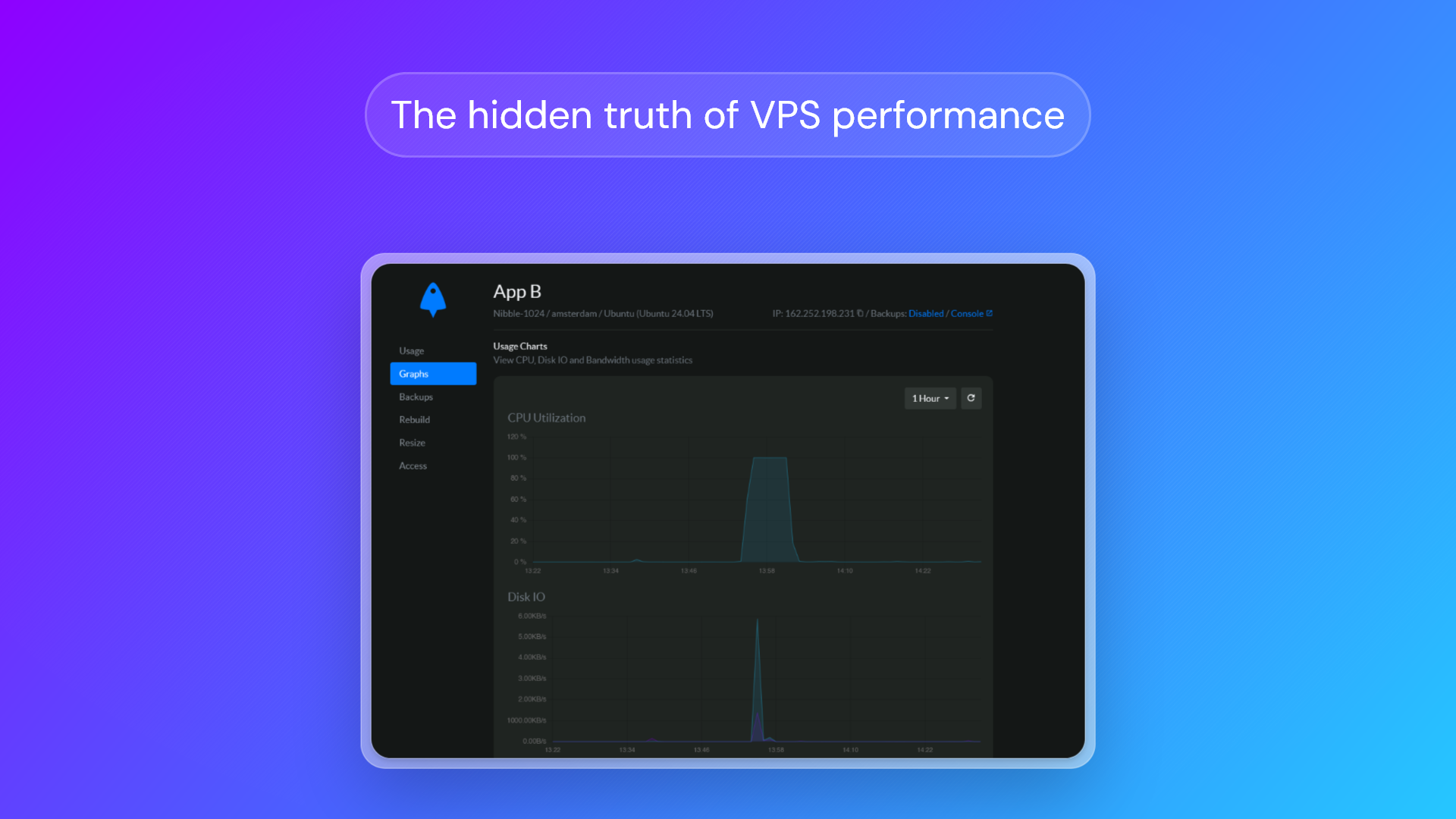
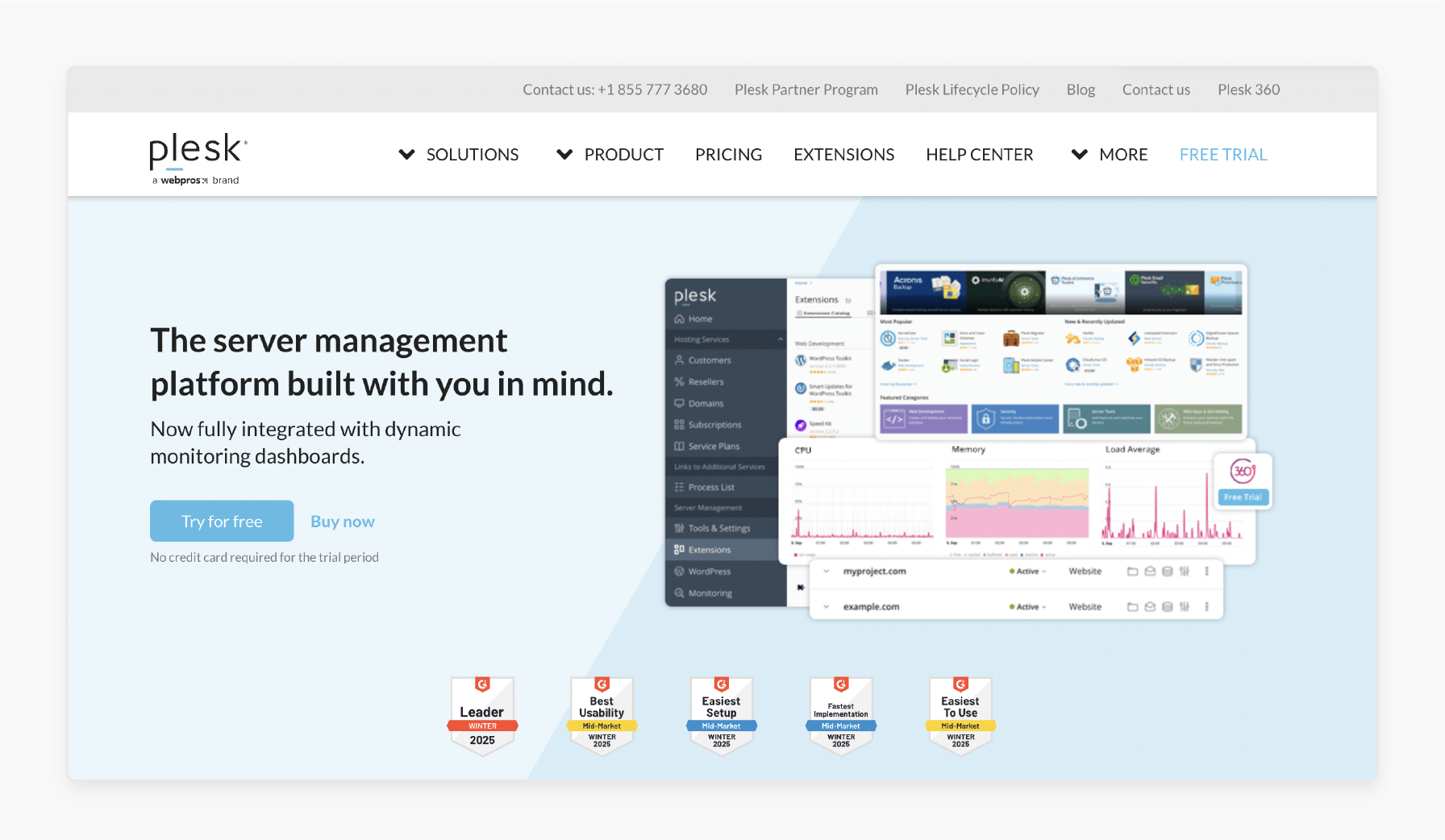
Efficiency tracking tools integrated into the server environment provide 2026 analysts with the capability to track resource use in real-time. If a specific crawl is consuming too much memory, it can be throttled or rescheduled to prevent affecting other crucial jobs. This granular level of management makes sure that the marketing stack stays steady under heavy loads. It also permits more precise budgeting of computing costs, as resources can be scaled up or down based upon the requirements of the current campaign.
Ensuring Long-Term Stability in your market
Looking toward the end of 2026, the trend in SEO automation is plainly approaching more self-governing, AI-driven systems. These systems require a lot more computing power and greater levels of security than their predecessors. Getting ready for this shift indicates investing in server infrastructure that can be easily updated without moving information or changing IP addresses. A flexible virtual server environment allows for these modifications, offering a future-proof structure for any digital method.
Protecting the integrity of SEO information is not just about stopping hackers; it is about making sure that the details utilized for decision-making is precise. If a server is jeopardized or throttled, the information it gathers may be incomplete or biased. By prioritizing technical performance and reliability, organizations can maintain a competitive edge. The focus remains on creating a stable, safe and secure, and quick environment where automation can thrive without the threat of external disturbance.
The advancement of cyber dangers in 2026 has made the choice of hosting more crucial than ever. While numerous basic SEO jobs can still be performed on basic hardware, high-stakes campaigns require the power and security of a dedicated virtual maker. By concentrating on resource isolation, network stability, and proactive tracking, businesses can guarantee their automation tools continue to deliver value in a significantly hostile digital environment. The commitment to high-performance facilities is the finest defense against the unpredictabilities of the coming years.