Securing Your Automated Toolset in a Hostile Web Environment

Technical Foundations for Link Building in 2026
Automated SEO tools like RankerX need high-performance environments to run without crashing or decreasing. In 2026, the gap between standard hosting and SEO-specific Virtual Personal Servers (VPS) has broadened. High-speed hardware is no longer a high-end for those running large-scale projects. It is a technical requirement for dealing with thousands of concurrent threads while maintaining database integrity. When software application attempts to manage numerous account registrations and content posts concurrently, the underlying facilities figures out whether those actions are successful or time out.
Processing Power and Multi-Threaded Execution
Modern link building software application relies greatly on CPU frequency rather than just the number of cores. While a high core count assists with multitasking, the speed at which each individual thread performs figures out the total success rate of a job. Servers equipped with processors exceeding 5.0 GHz offer the needed speed for browser-based automation. When RankerX spins up hundreds of web browser instances to fix captchas or browse complex sites, a slow processor causes scripts to time out. This results in stopped working submissions and lost resources.High-frequency CPUs ensure that the reasoning within the automation scripts performs at optimum velocity. In 2026, lots of experts choose dedicated CPU resources over shared ones to prevent the "noisy next-door neighbor" result, where other users on the very same physical hardware drain processing power. Services that focus on effectiveness typically see better outcomes when purchasing digital services to support their automated workflows. Utilizing dedicated cores allows the software to preserve a steady speed no matter external server loads.
Storage Speeds and Database Responsiveness
The year 2026 has seen NVMe Gen6 drives become the requirement for high-end SEO servers. RankerX keeps a large database of accounts, site lists, and logs. Every time the software moves to a new job, it writes to and checks out from the disk. Standard SSDs develop a bottleneck during these operations. If the disk can not keep up with the software application, the whole VPS hangs. This is particularly problematic during the account production phase, where rapid information entry and confirmation occur.Fast storage ensures that database lookups take place in milliseconds, preventing the application from stalling. High-speed drives also accelerate the initial software start-up and the loading of massive site lists, which can in some cases include millions of URLs. Without these speeds, users frequently experience "Application Not Reacting" mistakes, which can corrupt the local database and result in data loss.
Memory Allotment and Browser Automation
RAM management is another aspect that separates average servers from high-speed environments. In 2026, web browser engines have actually become more resource-heavy, and because RankerX utilizes these engines to simulate human behavior, memory consumption includes up rapidly. Running 50 to 100 concurrent threads may require 32GB or perhaps 64GB of RAM to remain stable. If the system runs out of memory, it starts utilizing "swap" space on the hard disk drive, which is substantially slower than RAM, even with Gen6 NVMe drives.Memory speed also matters. High-speed DDR5 or DDR6 memory permits the CPU to access information faster, which works when the software application is processing big amounts of material for spinning and circulation. Keeping an one-upmanship needs a focus on digital services and the underlying technical facilities. Enough memory headroom likewise avoids the os from crashing during peak activity, ensuring that long-running campaigns can finish without manual intervention.
Network Throughput and Latency Optimization
Network speed is often misunderstood in the context of SEO. It is not practically the total gigabits per second readily available, but the quality of the connection to the target websites. A 10 Gbps uplink is basic for 2026 VPS environments, yet latency stays a regular cause of failure for automated projects. High-speed VPS providers frequently position their data centers near major internet foundations to minimize the number of hops a packet takes.Lower latency implies that when the software sends a request to a remote server, the action gets here faster, allowing the thread to close and a new one to begin. This increased turnover of threads significantly enhances the variety of links constructed per hour. A steady network connection avoids the software application from losing its connection to proxy companies. If the network drops for even a few seconds, numerous active threads might fail, needing a full reboot of the task.
Software application Optimization for 2026 Server Environments
Running RankerX on a fresh setup of Windows Server 2025 or 2026 needs specific tweaks to attain maximum efficiency. Standard server configurations consist of numerous background services that are unnecessary for SEO automation. Disabling telemetry, Windows Update during active hours, and unneeded visual results can maximize important CPU cycles and RAM.Advanced users often use "lite" versions of running systems or specialized server templates created specifically for automation. These templates come pre-configured with the essential runtimes and libraries, guaranteeing that the software application runs without missing out on DLL errors or compatibility issues. Security is likewise an aspect. While firewalls are essential, excessively aggressive real-time anti-viruses scanning can decrease the software application by checking every short-term file produced throughout the browsing procedure. Setting the right exemptions is a standard practice for preserving high speeds.
The Function of Proxies in VPS Performance
Even the fastest VPS in 2026 will struggle if the proxy configuration is bad. High-speed environments permit for a higher volume of demands, however those demands must be routed through trustworthy proxies to prevent detection and blocking. There is a cooperative relationship between the VPS and the proxy; the server provides the raw power to create requests, while the proxies supply the "clean" identities to fulfill them.Using property or top quality 5G turning proxies in 2026 makes sure that the high-speed abilities of the VPS are not wasted on blocked connections. If a VPS sends out demands much faster than a proxy can handle, the proxy becomes the bottleneck. Matching the server's thread capacity with a sufficiently large proxy swimming pool is a common method for effective campaigners. This balance avoids the software application from retrying failed connections, which is a major source of time waste in automated link structure.
Dependability and the Expense of Downtime
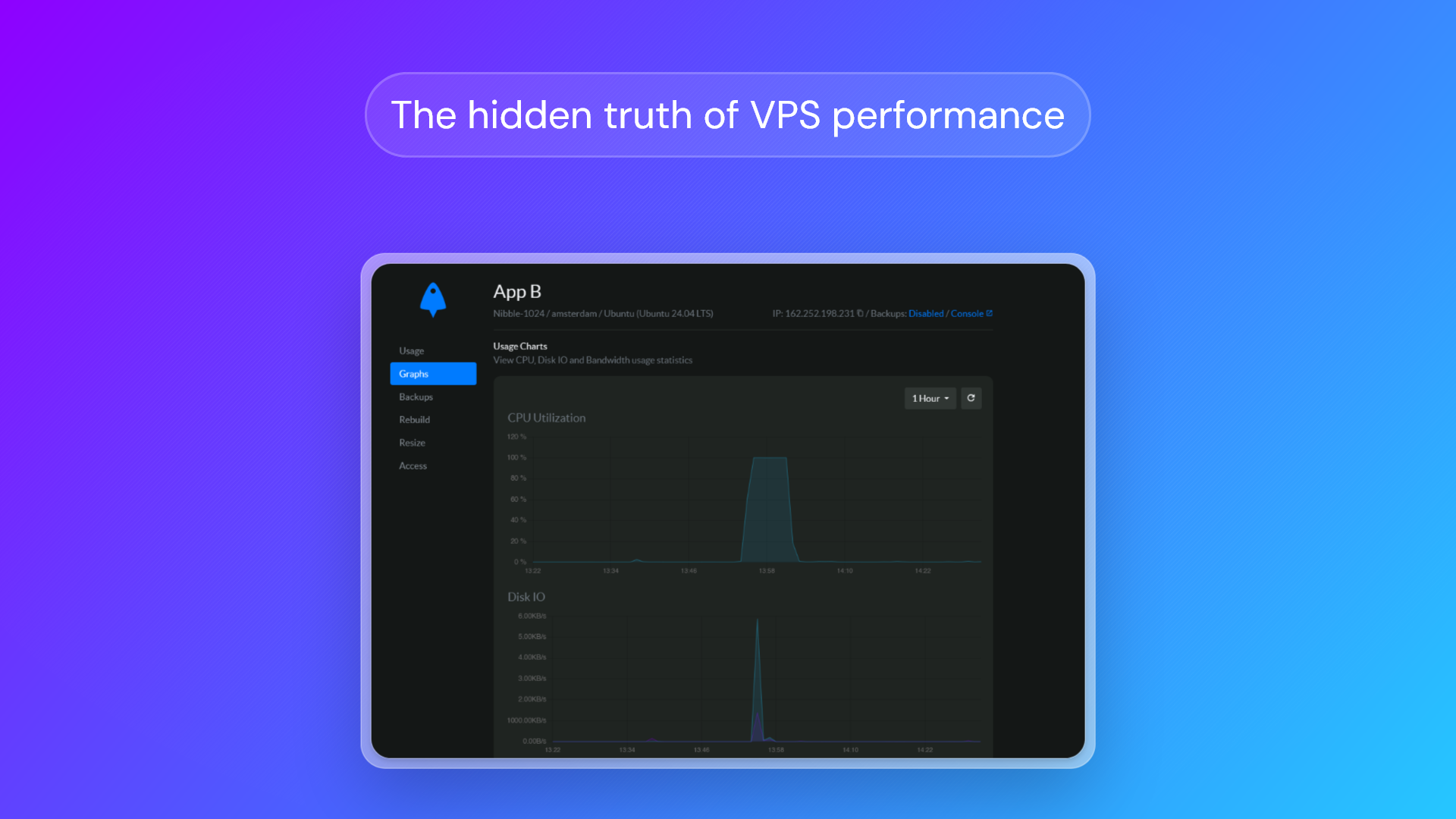
Downtime is the enemy of any automatic SEO method. When a server goes offline, the arranged projects stop, and the momentum of a link-building project is lost. In 2026, high-speed VPS companies provide 99.99% uptime assurances, backed by redundant power products and multiple network carriers. Reliability also encompasses the software level. A stable VPS avoids the types of system crashes that cause "zombie processes"-- threads that continue to take in resources even after the software has actually been closed.Regular upkeep stays a requirement. Restarting the server once a week and cleaning out momentary web files helps preserve the high-speed performance anticipated from a 2026 environment. Tracking tools can track CPU and RAM use in real-time, sending out informs if the server reaches its limitations. This proactive technique enables users to scale their resources before a traffic jam triggers a campaign failure.
Future-Proofing SEO Automation
As we advance through 2026, the intricacy of sites continues to grow. Websites use more advanced scripts to find bots, requiring automation tools to utilize more resources to appear human. A server that was thought about "fast" 2 years ago might have problem with the requirements these days's software application. Purchasing a high-speed VPS environment is a financial investment in the durability of an SEO strategy.The capability to adjust to brand-new software updates and larger workloads without needing a complete migration is a considerable benefit. High-speed environments offer the versatility to scale up as a service grows, ensuring that the technical side of SEO remains a strength rather than a limitation. By focusing on CPU frequency, storage speed, and network quality, users can maximize the potential of their automation tools and keep a stable stream of top quality backlinks.