Methods for Integrating Massive Link Building Efforts

The Technical Need of Speed in Modern SEO Systems
Digital growth in 2026 depends upon the speed of execution. As online search engine algorithms have approached real-time indexing and AI-driven quality assessments, the window for efficient link structure has narrowed. Automated cycles that manage prospecting, outreach, and positioning verification need a structure of high-performance facilities. When these cycles work on substandard hardware, the resulting latency produces a domino impact of technical failures that can stall a whole campaign.Latency describes the hold-up in between a command and a response. In the context of automated link building, this is the time it takes for a server to communicate with a target website, an API, or a database. While a few milliseconds might seem negligible to a human user, these hold-ups are catastrophic for a script processing countless requests per hour. A slow reaction time from a virtual server frequently results in connection timeouts, suggesting the automation software application provides up on a task before it completes.
How Server Dependability Influences Automation Accuracy
Reliability is the most important metric for any virtual environment utilized for backlink management. In 2026, most automation tools utilize multi-threaded procedures to engage with the web. Each thread represents a different connection. If a server has high "jitter"-- which is the fluctuation in latency-- these threads can become desynchronized. This causes information corruption, where a link may be positioned however the verification script stops working to tape-record its location, or a submission kind is just partially filled.Dedicated SEO virtual servers differ from standard hosting due to the fact that they are optimized for outgoing demands. Requirement web hosting is developed to serve material to visitors, focusing on inbound traffic. SEO-focused facilities prioritizes outgoing information, guaranteeing that requests to external CMS platforms are sent out and received without being throttled by the host. Organizations trying to find constant performance typically invest in digital services to ensure their technical stack remains functional during high-traffic durations.
The effect of Proximity and Network Peering
The physical area of a server relative to major internet foundations identifies its baseline latency. In 2026, top-tier SEO specialists pick server nodes located near significant Internet Exchange Points (IXPs) This lowers the variety of "hops" a data packet should take to reach its location. Fewer hops suggest less possibility of package loss and a quicker general cycle for automated tools.Network peering also plays a function. This is the arrangement where different internet service companies exchange traffic directly rather than through a third celebration. A server supplier with comprehensive peering contracts ensures that your link building software application has a direct course to the most popular web platforms. This direct path lessens the latency spikes that happen when traffic is routed through congested public nodes.
Hardware Specifications for High-Frequency Cycles
The internal elements of a virtual server are simply as essential as the network connection. By 2026, the requirement for any serious automation work is NVMe storage and high-frequency DDR5 RAM. Automated link structure includes heavy read/write operations as the software application logs every effort, success, and failure into a local database. Basic SSDs can end up being a traffic jam throughout these intensive cycles, causing "disk I/O wait" times that slow down the CPU.CPU clock speed is another factor. While numerous cores are handy for running several circumstances of a program, the speed of each specific core identifies how quick the software application can process the reasoning of a link structure script. If the CPU is too sluggish, it can not deal with the responses from the network quickly enough, causing a stockpile. This backlog eventually causes the very same latency concerns as a poor network connection. Many professional groups have found that professional digital marketing services supplies the needed hardware overhead to prevent these traffic jams.
Security Protocols and Connection Stability
Automated cycles in 2026 face more examination than ever from web security filters. Firewalls and anti-bot procedures frequently look for timing patterns to identify non-human traffic. A server with unsteady latency develops irregular demand patterns that can activate these security systems. On the other hand, a premium server with consistent, low-latency performance enables scripts to mimic human-like timing more effectively.Furthermore, making use of dedicated IP addresses is obligatory. Shared IP addresses on affordable virtual servers typically bring the baggage of previous users. If an IP has been flagged for spam by a significant CDN, any link structure attempt from that server will be obstructed right away. A devoted environment provides a fresh start, ensuring that the connection is not just fast but likewise reliable in the eyes of worldwide security databases.
Scaling Operations Without Performance Degradation

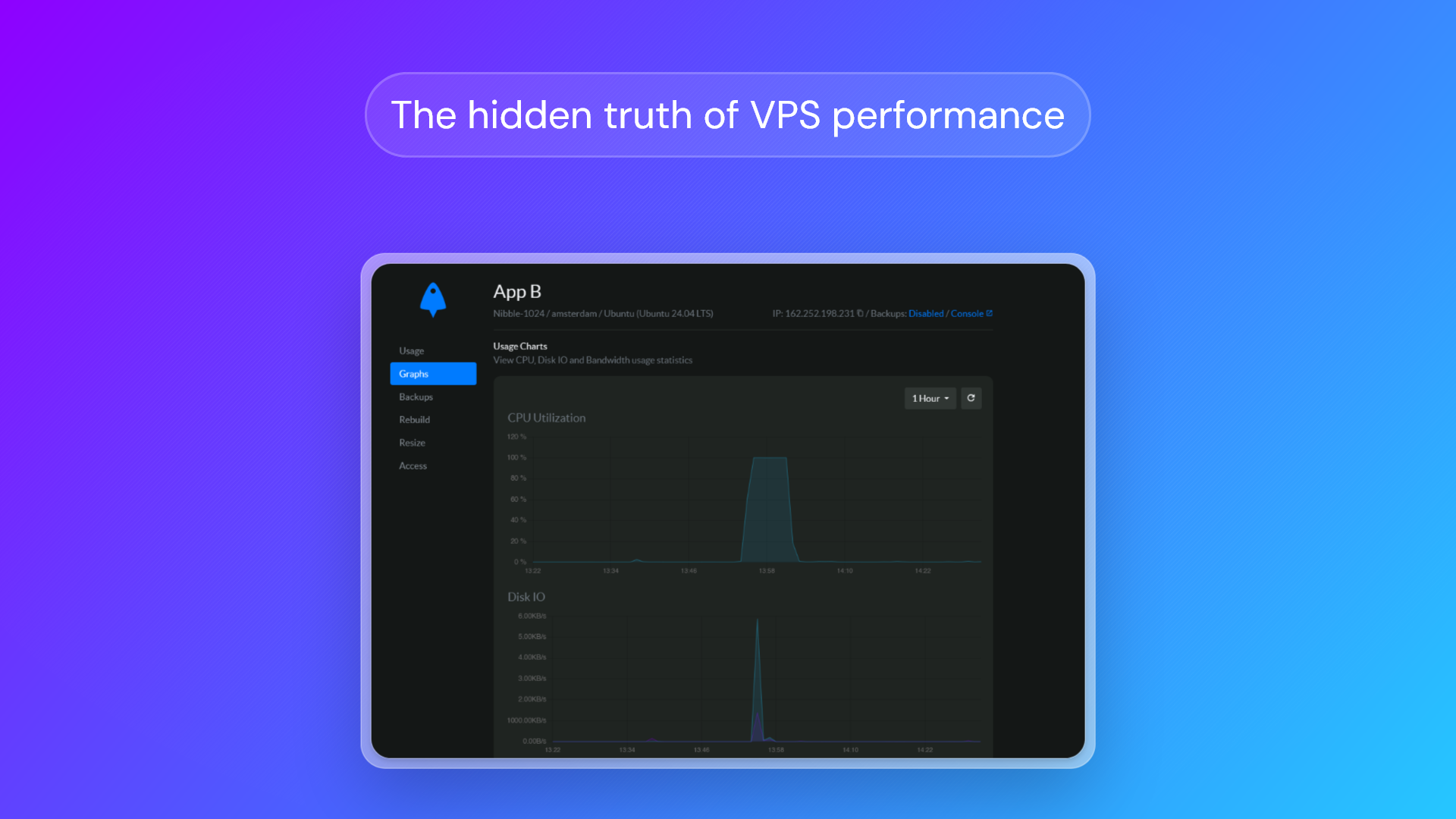
As a project grows, the demand on the virtual server boosts. A system that works well for 100 links a day might fail when asked to manage 1,000. Scaling requires an infrastructure that can expand its resource allotment without requiring a complete reboot or migration. Modern virtualization innovations permit this "on-the-fly" scaling, but just if the supplier has the hidden capacity to support it.The goal is to keep a constant latency profile regardless of the work. If latency increases as more threads are added, the effectiveness of the automation drops. This is why technical audits of server performance are a routine part of SEO operations in 2026. Monitoring tools track the response times of every script, enabling administrators to see precisely when a server is reaching its limitation.
The Long-Term Value of Technical Accuracy
The link building environment has actually ended up being a race of technical precision. The distinction between a successful project and a failed one frequently boils down to the reliability of the underlying innovation. While content and technique stay crucial, they are inefficient if the shipment system-- the automated cycle-- is obstructed by high latency and server instability.Choosing a server environment tailored for the particular needs of SEO tasks is no longer an option but a requirement. By focusing on low-latency connections, high-speed hardware, and tactical server placement, professionals ensure that their automation tools can operate at peak effectiveness. In 2026, the capability to execute tasks faster and more reliably than the competitors is the most substantial benefit an SEO team can have. The focus stays on preserving a consistent flow of data, guaranteeing that every second of operation adds to the total development of the digital profile.