Beating Ransomware Threats Targetting SEO Expert Databases

Compute Resource Techniques for Big Search Projects in 2026
Massive search optimization in 2026 depends on more than simply content and backlinks. Technical infrastructure now dictates which business can sustain high rankings and which fall back due to slow indexing. High-traffic sites need dedicated virtual environments that prioritize consistent reaction times. Requirement hosting setups typically stop working under the weight of modern-day search crawler needs, making specific resource allowance a requirement for any severe campaign in the regional market.
When handling thousands of pages, the server needs to manage simultaneous demands from several search bots while serving material to human visitors. This needs a fine-tuned balance of CPU and memory. By concentrating on digital services, technical groups can ensure that their hardware is optimized for these specific tasks. Virtual personal servers (VPS) offer a reliable middle ground in between shared hosting and costly bare-metal hardware, providing the control required to adjust configurations as search algorithms develop.
One major consider 2026 is the increase of server-side rendering for intricate JavaScript applications. Browse engines have actually enhanced their ability to render client-side code, however they still reward sites that supply completely rendered HTML rapidly. This process is memory-intensive. Allocating extra RAM to virtual nodes enables these rendering engines to work without timing out. In the local area, organizations that stop working to supply sufficient memory frequently see their crawl budget plan lost on broken or half-loaded pages.
Hard Disk Performance and Data Throughput
Storage speed is another location where business projects frequently struggle. Standard SSDs are often not quickly sufficient to deal with the huge log files and database inquiries needed for real-time tracking. NVMe storage has actually become the requirement in 2026 for high-performance virtual servers. These drives use the speed essential to process big datasets immediately. Those who purchase professional digital marketing services frequently find that their backend systems react faster to changes in search engine habits.
- Committed IP addresses to prevent "bad next-door neighbor" effects from unrelated sites.
- High-bandwidth ports, such as 10Gbps, for quick information transfer during site migrations.
- Scalable RAM to handle seasonal traffic spikes in the region.
- Redundant power products and high uptime assurances to prevent ranking drops.
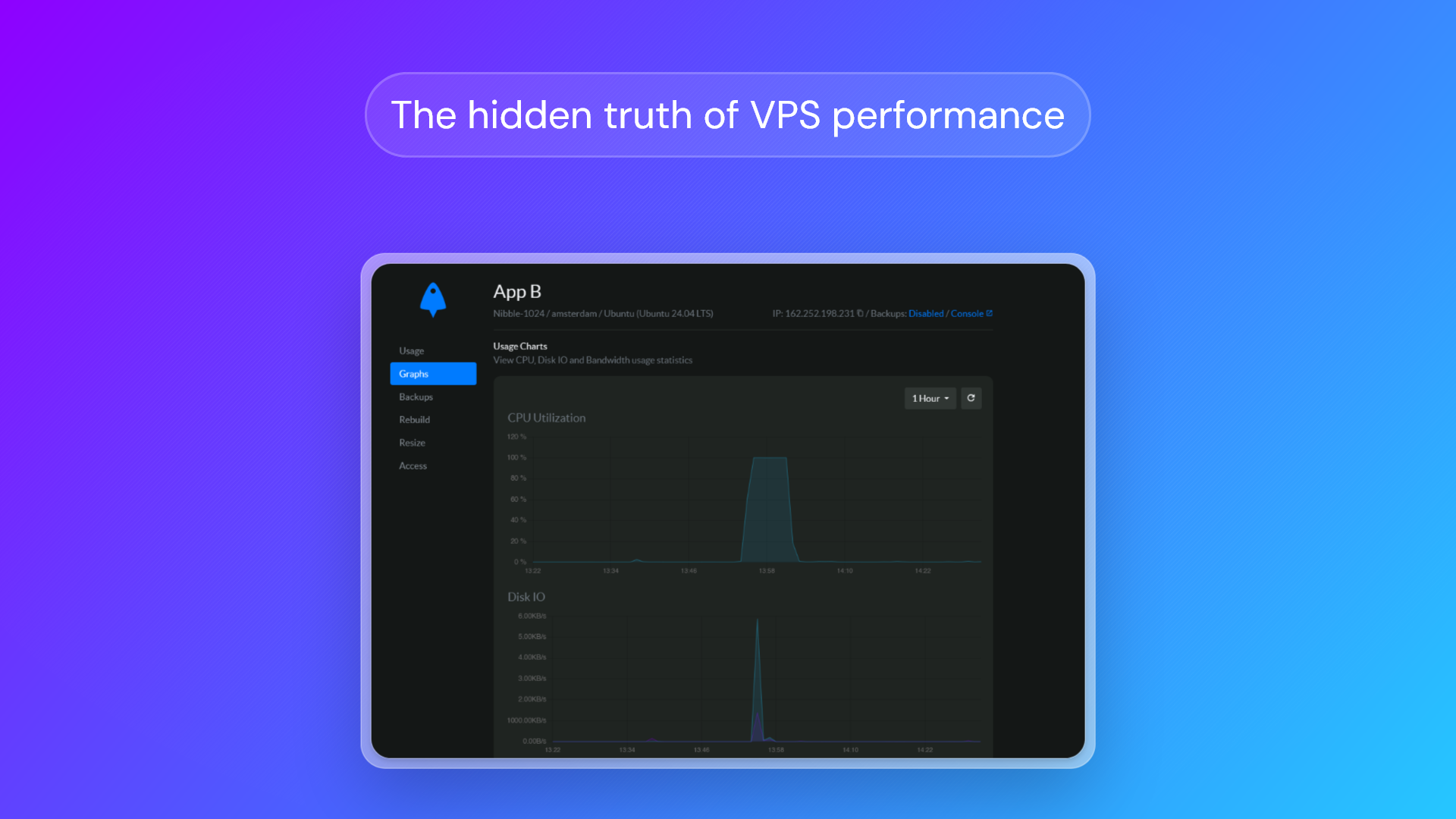
Uptime is non-negotiable for enterprise-level presence. When a server goes down, even for a few minutes, online search engine might flag the site as undependable. This leads to a drop in crawl frequency and, ultimately, a loss in rankings. Dependability is constructed through redundant virtual clusters. If one node stops working, another need to take its location right away without dropping the connection. This level of stability is what separates professional operations from smaller rivals in the surrounding market.
Security Procedures and Bot Management
Maintaining a safe and secure environment is likewise a part of resource management. Safeguarding versus malicious bots and DDoS attacks takes in CPU cycles. By using virtual firewall programs and customized security layers, technical teams can filter out bad traffic before it reaches the main application. This ensures that just genuine users and search bots use the assigned resources. In the competitive environment of 2026, performance is simply as essential as raw power.
The expense of these resources need to be weighed against the potential return on investment. While premium virtual servers are more pricey than basic cloud circumstances, the gain in efficiency frequently spends for itself. Faster sites cause much better user engagement and greater conversion rates. When information is served from a location near the target audience in the metropolitan area, the decrease in latency can be the difference between a top-three ranking and being buried on the second page.
Scaling Facilities for Future Development
Enterprise campaigns are hardly ever static. A website that has one million pages today might have 5 million by the end of 2026. Virtual servers provide the versatility to scale resources up or down as needed. This avoids overpaying for idle hardware while guaranteeing that the site remains quick throughout significant item launches or news events. Efficient resource management includes keeping an eye on these metrics weekly and making adjustments to stay ahead of the competitors.
Edge computing has likewise incorporated into the search server method. By caching static possessions and even some dynamic content at the edge, the primary virtual server can focus on processing heavy database demands. This minimizes the load on the main CPU and improves the experience for users in remote parts of the surrounding region. In 2026, a multi-layered approach to resource circulation is the only way to keep a dominant position in search outcomes. Consistency in hardware efficiency remains the foundation of all other optimization efforts.