Alleviating the Danger of Strength Attacks on SEO Servers
The Technical Necessity of Speed in Modern SEO Systems
Digital development in 2026 depends on the speed of execution. As search engine algorithms have actually approached real-time indexing and AI-driven quality assessments, the window for reliable link building has actually narrowed. Automated cycles that handle prospecting, outreach, and placement confirmation need a foundation of high-performance facilities. When these cycles operate on subpar hardware, the resulting latency creates a domino impact of technical failures that can stall a whole campaign.Latency refers to the hold-up in between a command and a reaction. In the context of automated link building, this is the time it considers a server to interact with a target site, an API, or a database. While a few milliseconds might seem minimal to a human user, these delays are disastrous for a script processing countless demands per hour. A slow action time from a virtual server often leads to connection timeouts, suggesting the automation software application quits on a task before it completes.
How Server Reliability Affects Automation Accuracy
Dependability is the most crucial metric for any virtual environment utilized for backlink management. In 2026, a lot of automation tools utilize multi-threaded procedures to connect with the web. Each thread represents a different connection. If a server has high "jitter"-- which is the variation in latency-- these threads can end up being desynchronized. This leads to information corruption, where a link might be positioned but the verification script fails to tape its place, or a submission type is only partly filled.Dedicated SEO virtual servers vary from standard hosting since they are optimized for outgoing demands. Standard web hosting is developed to serve material to visitors, concentrating on incoming traffic. SEO-focused facilities focuses on outbound data, making sure that requests to external CMS platforms are sent out and gotten without being throttled by the host. Organizations looking for constant efficiency frequently purchase digital services to guarantee their technical stack stays operational during high-traffic periods.
The impact of Proximity and Network Peering
The physical location of a server relative to significant web foundations determines its baseline latency. In 2026, top-tier SEO specialists choose server nodes located near significant Internet Exchange Points (IXPs) This reduces the variety of "hops" an information packet should require to reach its location. Less hops imply less opportunity of packet loss and a quicker general cycle for automated tools.Network peering also plays a function. This is the arrangement where different internet service suppliers exchange traffic directly instead of through a 3rd party. A server service provider with substantial peering contracts makes sure that your link building software application has a direct path to the most popular web platforms. This direct course reduces the latency spikes that occur when traffic is routed through crowded public nodes.
Hardware Requirements for High-Frequency Cycles
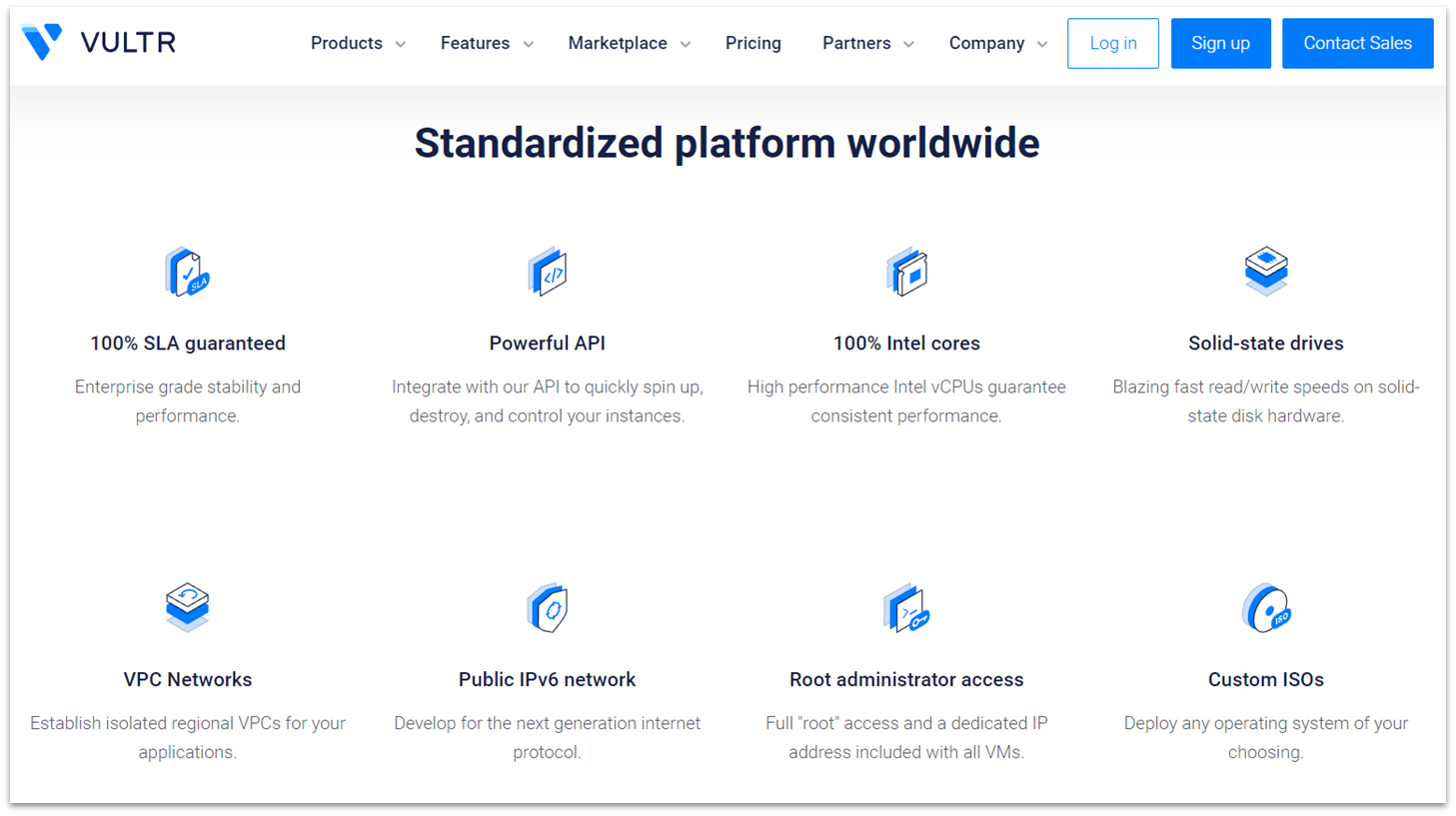
The internal parts of a virtual server are just as essential as the network connection. By 2026, the standard for any major automation work is NVMe storage and high-frequency DDR5 RAM. Automated link building includes heavy read/write operations as the software logs every attempt, success, and failure into a local database. Basic SSDs can end up being a bottleneck during these intensive cycles, leading to "disk I/O wait" times that slow down the CPU.CPU clock speed is another element. While lots of cores are practical for running numerous circumstances of a program, the speed of each private core identifies how quickly the software application can process the reasoning of a link building script. If the CPU is too sluggish, it can not deal with the responses from the network quickly enough, causing a backlog. This stockpile eventually results in the exact same latency concerns as a poor network connection. Lots of professional teams have actually discovered that professional digital marketing services supplies the required hardware overhead to avoid these bottlenecks.
Security Procedures and Connection Stability
Automated cycles in 2026 face more examination than ever from web security filters. Firewalls and anti-bot procedures typically try to find timing patterns to identify non-human traffic. A server with unstable latency develops irregular request patterns that can activate these security systems. On the other hand, a top quality server with constant, low-latency performance allows scripts to mimic human-like timing more effectively.Furthermore, the use of devoted IP addresses is compulsory. Shared IP addresses on low-priced virtual servers frequently carry the luggage of previous users. If an IP has been flagged for spam by a significant CDN, any link building effort from that server will be obstructed immediately. A devoted environment supplies a tidy slate, ensuring that the connection is not only fast but likewise trusted in the eyes of global security databases.
Scaling Operations Without Efficiency Destruction

As a project grows, the demand on the virtual server boosts. A system that works well for 100 links a day might fail when asked to handle 1,000. Scaling needs a facilities that can broaden its resource allowance without needing a complete reboot or migration. Modern virtualization technologies enable this "on-the-fly" scaling, however just if the company has the hidden capability to support it.The objective is to preserve a consistent latency profile no matter the work. If latency increases as more threads are included, the performance of the automation drops. This is why technical audits of server efficiency are a regular part of SEO operations in 2026. Monitoring tools track the reaction times of every script, allowing administrators to see exactly when a server is reaching its limit.
The Long-Term Worth of Technical Accuracy
The link building environment has actually ended up being a race of technical accuracy. The distinction in between a successful project and a stopped working one frequently boils down to the reliability of the underlying innovation. While material and technique stay important, they are inadequate if the delivery mechanism-- the automated cycle-- is hampered by high latency and server instability.Choosing a server environment tailored for the specific demands of SEO jobs is no longer an alternative however a requirement. By focusing on low-latency connections, high-speed hardware, and tactical server positioning, specialists make sure that their automation tools can run at peak efficiency. In 2026, the ability to carry out tasks much faster and more reliably than the competitors is the most significant advantage an SEO group can have. The focus stays on keeping a consistent flow of data, ensuring that every second of operation adds to the total growth of the digital profile.